Reasons to Have Bunion Surgery

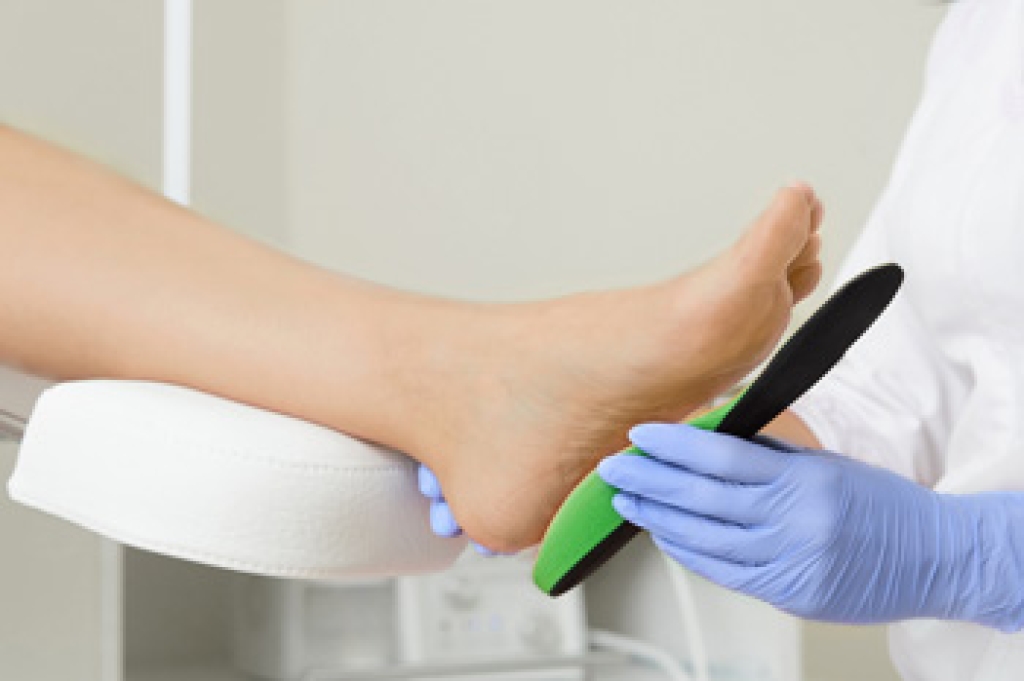
A bunion is a bony bump that forms at the base of the big toe when the joint becomes misaligned and pushes outward. This condition can cause pain, swelling, stiffness and difficulty wearing shoes. Bunion surgery may be needed when conservative care no longer relieves discomfort, or when the bunion interferes with walking and daily activities. It is performed by realigning the bone and joint to restore proper position and function. The benefits include relieving pain, improving foot stability, allowing more natural walking, and enhancing the appearance of the foot. A podiatrist can determine the right treatment approach and guide recovery. If you have bunion pain that limits your comfort or mobility, it is suggested that you consult a podiatrist who can discuss whether bunion surgery is a viable option for you.

Foot surgery is sometimes necessary to treat a foot ailment. To learn more, contact one of our podiatrists of North Eastern Ohio Podiatry Group LLC. our doctors will assist you with all of your foot and ankle needs.

When Is Surgery Necessary?

Foot and ankle surgery is generally reserved for cases in which less invasive, conservative procedures have failed to alleviate the problem. Some of the cases in which surgery may be necessary include:

  • Removing foot deformities like bunions and bone spurs
  • Severe arthritis that has caused bone issues
  • Cosmetic reconstruction

What Types of Surgery Are There?

The type of surgery you receive will depend on the nature of the problem you have. Some of the possible surgeries include:

  • Bunionectomy for painful bunions
  • Surgical fusion for realignment of bones
  • Neuropathy decompression surgery to treat nerve damage

Benefits of Surgery

Although surgery is usually a last resort, it can provide more complete pain relief compared to non-surgical methods and may allow you to finally resume full activity.

Surgical techniques have also become increasingly sophisticated. Techniques like endoscopic surgery allow for smaller incisions and faster recovery times.

If you have any questions, please feel free to contact our offices located in Willoughby Hills, Euclid, and Beachwood, OH . We offer the newest diagnostic and treatment technologies for all your foot care needs.
Read more about Foot Surgery

Why Do Corns Form and How Can They Be Treated?

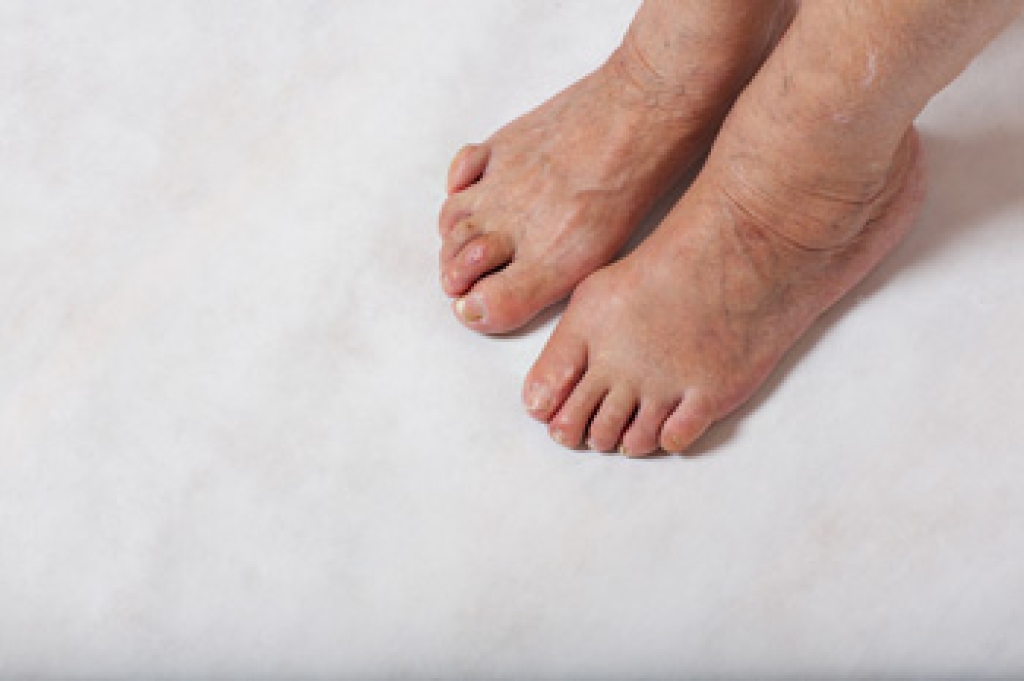
Corns are thickened areas of skin that develop when repeated pressure or friction causes the body to protect itself. They often form on toes or areas that rub against footwear or other toes, and they may feel painful when walking. Hard corns usually appear on the tops or sides of toes, while soft corns tend to develop between toes where moisture is present. Although corns may seem minor, they can worsen over time and interfere with gait. A podiatrist can identify the underlying cause, such as foot structure, abnormal pressure points, or improper footwear, and determine the exact type of corn present. Treatment of corns includes safe removal of thickened skin, pressure redistribution, and recommendations to reduce recurring friction. Addressing corns early can reduce ongoing discomfort. For help with safely managing a painful corn, it is suggested that you make an appointment with a podiatrist.

If you have any concerns regarding your feet and ankles, contact one of our podiatrists of North Eastern Ohio Podiatry Group LLC. our doctors will treat your foot and ankle needs.

Corns: What Are They? and How Do You Get Rid of Them?
Corns can be described as areas of the skin that have thickened to the point of becoming painful or irritating. They are often layers and layers of the skin that have become dry and rough, and are normally smaller than calluses.

Ways to Prevent Corns
There are many ways to get rid of painful corns such as wearing:

  • Well-fitting socks
  • Comfortable shoes that are not tight around your foot
  • Shoes that offer support

Treating Corns
Treatment of corns involves removing the dead skin that has built up in the specific area of the foot. Consult with our doctors to determine the best treatment option for your case of corns.

If you have any questions, please feel free to contact our offices located in Willoughby Hills, Euclid, and Beachwood, OH . We offer the newest diagnostic and treatment technologies for all your foot care needs.
Read more about Corns: What Are They, and How Do You Get Rid of Them

Types of Foot Ulcers

Foot ulcers are open sores that develop on the feet and can lead to serious complications if not treated promptly. Common types include diabetic ulcers, arterial ulcers, and pressure related ulcers. Diabetic ulcers often occur due to nerve damage and poor circulation, leading to unnoticed injuries. Arterial ulcers are caused by reduced blood flow, making it difficult for wounds to heal. Additionally, pressure damage ulcers develop from prolonged friction or constant pressure on certain areas of the foot. Symptoms may include redness, drainage, swelling, pain, or a wound that does not heal. A podiatrist can identify the type of ulcer, address underlying causes, and provide wound care, helping to prevent infection or limb loss. If you have a foot wound, it is strongly suggested that you are under the care of a podiatrist who can determine the type and provide appropriate treatment.

Wound care is an important part in dealing with diabetes. If you have diabetes and a foot wound or would like more information about wound care for diabetics, consult with one of our podiatrists from North Eastern Ohio Podiatry Group LLC. our doctors will assess your condition and provide you with quality foot and ankle treatment.

What Is Wound Care?

Wound care is the practice of taking proper care of a wound. This can range from the smallest to the largest of wounds. While everyone can benefit from proper wound care, it is much more important for diabetics. Diabetics often suffer from poor blood circulation which causes wounds to heal much slower than they would in a non-diabetic. 

What Is the Importance of Wound Care?

While it may not seem apparent with small ulcers on the foot, for diabetics, any size ulcer can become infected. Diabetics often also suffer from neuropathy, or nerve loss. This means they might not even feel when they have an ulcer on their foot. If the wound becomes severely infected, amputation may be necessary. Therefore, it is of the upmost importance to properly care for any and all foot wounds.

How to Care for Wounds

The best way to care for foot wounds is to prevent them. For diabetics, this means daily inspections of the feet for any signs of abnormalities or ulcers. It is also recommended to see a podiatrist several times a year for a foot inspection. If you do have an ulcer, run the wound under water to clear dirt from the wound; then apply antibiotic ointment to the wound and cover with a bandage. Bandages should be changed daily and keeping pressure off the wound is smart. It is advised to see a podiatrist, who can keep an eye on it.

If you have any questions please contact our offices located in Willoughby Hills, Euclid, and Beachwood, OH . We offer the newest diagnostic and treatment technologies for all your foot and ankle needs.

Read more about Wound Care

Children’s Walking Patterns

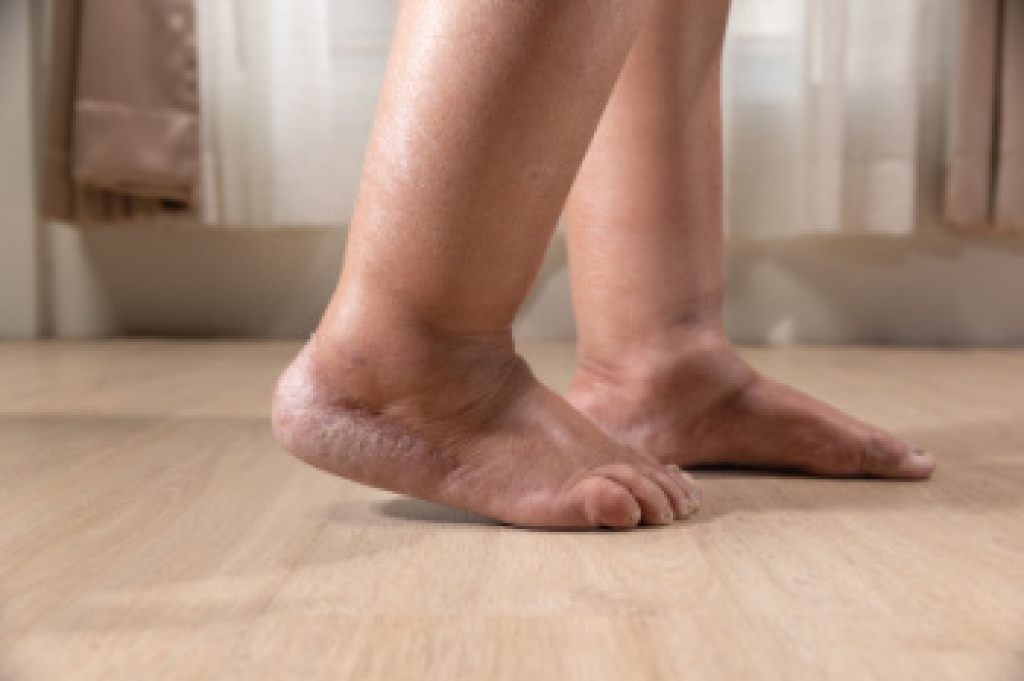
Walking irregularities in children, such as in-toeing, out-toeing, limping, and toe-walking, are fairly common and can result from various developmental factors. These patterns may develop due to natural variations in bone structure as a child grows, such as hip rotation or curved shin bones. Some children may have flat feet, loose ligaments, or muscle imbalances that contribute to unusual walking styles. Genetics, birth conditions, and early habits, like prolonged toe-walking, can also play a role. Many of these irregular walking patterns resolve as children grow and their bones and muscles strengthen. However, if your child experiences pain, frequent tripping, or if the issue persists beyond early childhood, it is suggested that a podiatrist be contacted for an evaluation. Treatment may include stretching exercises or custom orthotics to encourage normal walking patterns, and prevent long-term issues with balance and mobility.

The health of a child’s feet is vital to their overall well-being. If you have any questions regarding foot health, contact one of our podiatrists of North Eastern Ohio Podiatry Group LLC. our doctors can provide the care you need to keep you pain-free and on your feet.

Tips for Keeping Children's Feet Healthy

  • Make sure their shoes fit properly
  • Look for any signs of in-toeing or out-toeing
  • Check to see if they have Clubfoot (condition that affects your child’s foot and ankle, twisting the heel and toes inward) which is one of the most common nonmajor birth defects.
  • Lightly cover your baby’s feet (Tight covers may keep your baby from moving their feet freely, and could prevent normal development)
  • Allow your toddler to go shoeless (Shoes can be restricting for a young child’s foot)
  • Cut toenails straight across to avoid ingrown toenails
  • Keep your child’s foot clean and dry
  • Cover cuts and scrapes. Wash any scratches with soap and water and cover them with a bandage until they’ve healed.

If you have any questions, please feel free to contact our offices located in Willoughby Hills, Euclid, and Beachwood, OH . We offer the newest diagnostic and treatment technologies for all your foot care needs.

Read more about What to Do to Keep Your Child’s Feet Healthy

Connect With Us

scroll to top