Blog
How to Diagnose Ankle Sprains

An ankle sprain happens when the ligaments that support the ankle are stretched too far or torn. Ligaments are strong bands of tissue that connect bones and help keep joints stable. Most ankle sprains occur when the foot twists inward and the ankle rolls unexpectedly. This can happen while playing sports, stepping on an uneven surface, or missing a step on a staircase. Symptoms usually include pain, swelling, and bruising. Some people also notice tenderness around the ankle or feel that the joint is unstable when standing or walking. The severity of an ankle sprain can range from a mild stretch of the ligament to a complete tear.
Prompt evaluation is important because an ankle sprain can sometimes be more serious than it first appears. Severe sprains can make it difficult to put weight on the foot and may cause significant swelling. Without proper treatment, damaged ligaments can heal poorly and leave the ankle less stable. This increases the risk of future sprains and ongoing discomfort. A podiatrist can perform a thorough examination and determine the extent of the injury. Diagnostic imaging, like X-rays or advanced scans, can help rule out fractures and identify damage to soft tissues. Early diagnosis helps guide treatment and supports a safer recovery process.
Treatment depends on the severity of the sprain and the patient’s activity level. A podiatrist may recommend bracing, immobilization, or physical therapy to help restore strength and stability. Rehabilitation focuses on improving balance, flexibility, and muscle control. These measures help reduce the risk of repeat injuries and support a return to normal activities. In cases involving severe ligament damage or long-term instability, surgery may be considered. Proper treatment can help patients regain confidence in their movement and reduce the chance of chronic ankle problems. If you have symptoms of an ankle sprain, it is suggested that you make an appointment with a podiatrist for diagnosis and treatment.
Although ankle sprains are common, they aren’t always minor injuries. If you need your ankle injury looked at, contact one of our podiatrists from North Eastern Ohio Podiatry Group LLC. our doctors can provide the care you need to keep you pain-free and on your feet.
How Does an Ankle Sprain Occur?
Ankle sprains are the result of a tear in the ligaments within the ankle. These injuries may happen when you make a rapid shifting movement while your foot is planted. A less common way to sprain your ankle is when your ankle rolls inward while your foot turns outward.
What Are the Symptoms?
- Pain at the sight of the tear
- Bruising/Swelling
- Ankle area is tender to touch
- In severe cases, may hear/feel something tear
- Skin discoloration
Preventing a Sprain
- Wearing appropriate shoes for the occasion
- Stretching before exercises and sports
- Knowing your limits
Treatment of a Sprain
In many cases, the RICE method (Rest, Ice, Compression, and Elevate) is used to treat ankle sprains. However, you should see a podiatrist to see which treatment option would work best with your injury. In severe cases, surgery may be required.
It is important to ask your doctor about rehab options after you receive treatment for your injury. Stretching, strength training, and balance exercises may help the ankle heal while also preventing further injury.
If you have any questions, please feel free to contact our offices located in Willoughby Hills, Euclid, and Beachwood, OH . We offer the newest diagnostic and treatment technologies for all your foot care needs.
Understanding Neuropathic Wounds

Neuropathic wounds are slow-healing injuries that often develop when nerve damage reduces feeling in the feet, making it easier to miss cuts, pressure spots, or irritation. People with diabetes are especially at risk because reduced sensation can allow small problems to worsen without notice. These wounds are among the more common long-lasting skin injuries treated by podiatrists, alongside circulation-related sores, pressure-related skin breakdown, and delayed healing after procedures. Neuropathic wounds often appear on pressure-bearing areas such as the bottom of the foot or toes. Treatment focuses on reducing pressure, removing damaged tissue when needed, controlling infection, and supporting healthy healing conditions. A podiatrist may also assess circulation, foot structure, and walking patterns that contribute to repeated injury. If you notice a sore on your foot that is not improving or you have numbness with skin breakdown, it is strongly suggested that you are under the care of a podiatrist to explore effective relief and management solutions.
Wound care is an important part in dealing with diabetes. If you have diabetes and a foot wound or would like more information about wound care for diabetics, consult with one of our podiatrists from North Eastern Ohio Podiatry Group LLC. our doctors will assess your condition and provide you with quality foot and ankle treatment.
What Is Wound Care?
Wound care is the practice of taking proper care of a wound. This can range from the smallest to the largest of wounds. While everyone can benefit from proper wound care, it is much more important for diabetics. Diabetics often suffer from poor blood circulation which causes wounds to heal much slower than they would in a non-diabetic.
What Is the Importance of Wound Care?
While it may not seem apparent with small ulcers on the foot, for diabetics, any size ulcer can become infected. Diabetics often also suffer from neuropathy, or nerve loss. This means they might not even feel when they have an ulcer on their foot. If the wound becomes severely infected, amputation may be necessary. Therefore, it is of the upmost importance to properly care for any and all foot wounds.
How to Care for Wounds
The best way to care for foot wounds is to prevent them. For diabetics, this means daily inspections of the feet for any signs of abnormalities or ulcers. It is also recommended to see a podiatrist several times a year for a foot inspection. If you do have an ulcer, run the wound under water to clear dirt from the wound; then apply antibiotic ointment to the wound and cover with a bandage. Bandages should be changed daily and keeping pressure off the wound is smart. It is advised to see a podiatrist, who can keep an eye on it.
If you have any questions please contact our offices located in Willoughby Hills, Euclid, and Beachwood, OH . We offer the newest diagnostic and treatment technologies for all your foot and ankle needs.
Understanding Psoriatic Arthritis in the Foot

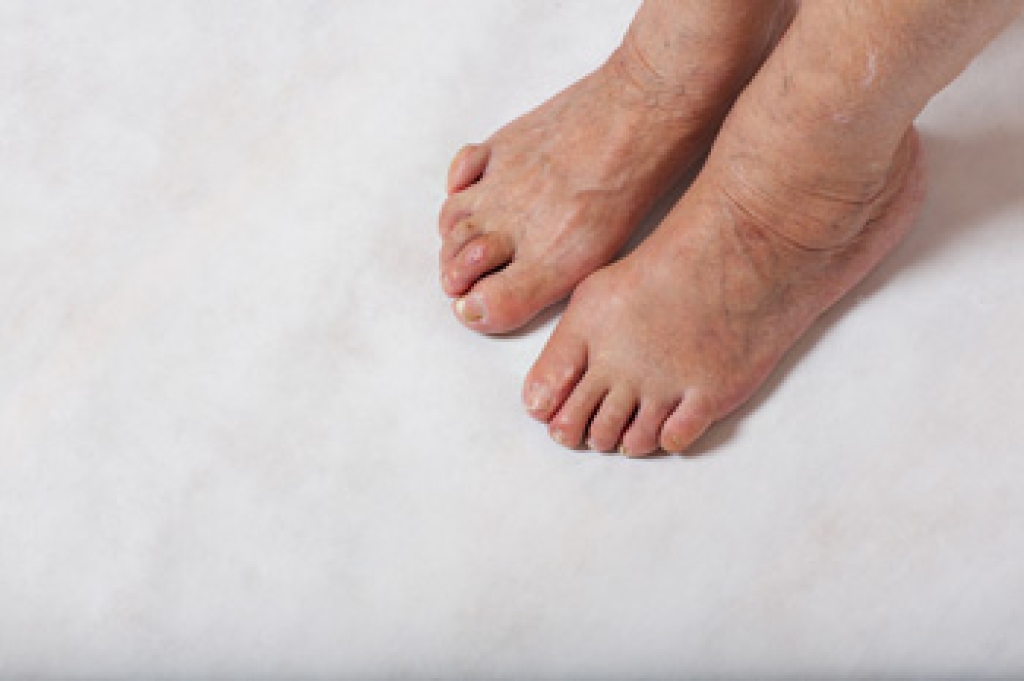
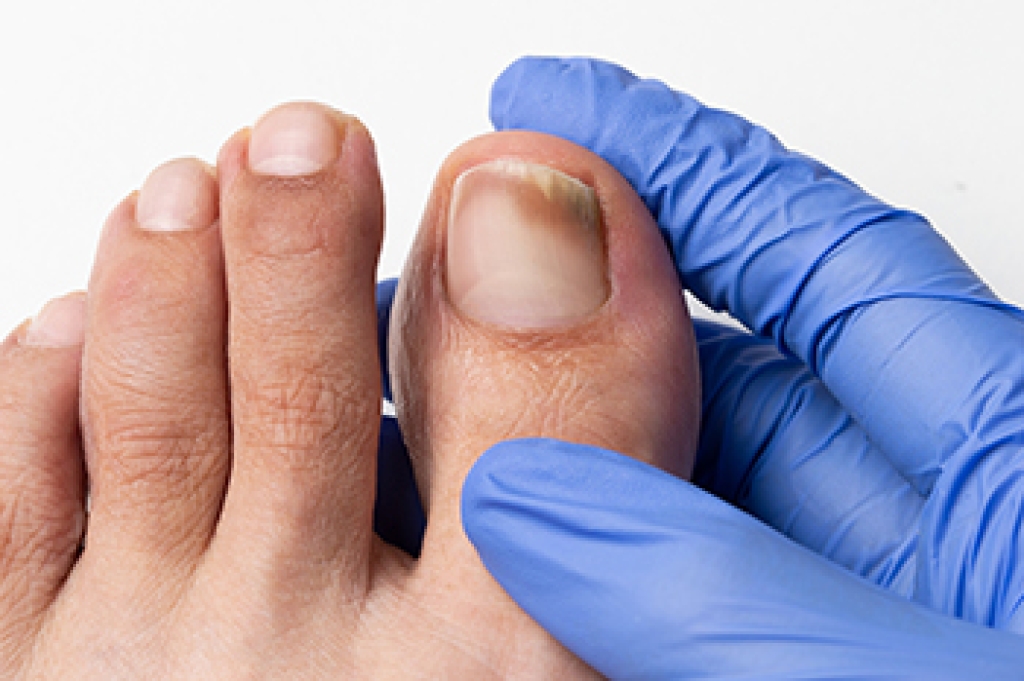
Psoriatic arthritis in the foot is an inflammatory condition linked to psoriasis that affects joints and surrounding tissues. It often appears with pain, tenderness, and swelling, especially in the toes and heel. Some people notice sausage like swelling of digits or thickened nails. The condition develops when the immune system mistakenly attacks healthy tissue, leading to joint damage over time. Triggers may include stress, injury, infection, or genetic factors. Symptoms can come and go in flares that vary in intensity. A podiatrist can evaluate joint changes, provide imaging, guide medication plans, and recommend supportive devices to improve function and reduce pain. Early diagnosis helps prevent deformity and long-term mobility problems in daily life. If you have this foot condition, It is suggested that you consult a podiatrist who can offer effective relief and management tips.
Arthritis can be a difficult condition to live with. If you are seeking treatment, contact one of our podiatrists from North Eastern Ohio Podiatry Group LLC. our doctors can provide the care you need to keep you pain-free and on your feet.
Arthritic Foot Care
Arthritis is a term that is commonly used to describe joint pain. The condition itself can occur to anyone of any age, race, or gender, and there are over 100 types of it. Nevertheless, arthritis is more commonly found in women compared to men, and it is also more prevalent in those who are overweight. The causes of arthritis vary depending on which type of arthritis you have. Osteoarthritis for example, is often caused by injury, while rheumatoid arthritis is caused by a misdirected immune system.
Symptoms
- Swelling
- Pain
- Stiffness
- Decreased Range of Motion
Arthritic symptoms range in severity, and they may come and go. Some symptoms stay the same for several years but could potentially get worse with time. Severe cases of arthritis can prevent its sufferers from performing daily activities and make walking difficult.
Risk Factors
- Occupation – Occupations requiring repetitive knee movements have been linked to osteoarthritis
- Obesity – Excess weight can contribute to osteoarthritis development
- Infection – Microbial agents can infect the joints and trigger arthritis
- Joint Injuries – Damage to joints may lead to osteoarthritis
- Age – Risk increases with age
- Gender –Most types are more common in women
- Genetics – Arthritis can be hereditary
If you suspect your arthritis is affecting your feet, it is crucial that you see a podiatrist immediately. Your doctor will be able to address your specific case and help you decide which treatment method is best for you.
If you have any questions please feel free to contact our offices located in Willoughby Hills, Euclid, and Beachwood, OH . We offer the newest diagnostic tools and technology to treat your foot and ankle needs.
When Baby Has an Ingrown Toenail

Babies can develop ingrown toenails when the edge of the nail grows into the surrounding skin. This problem usually affects the big toe and can cause redness, swelling, and tenderness. Your baby may cry when the toe is touched. Older children may limp or avoid wearing shoes because of pain. wearing tight socks, fast-growing nails, and trimming nails too short can increase the risk of an ingrown toenail. A podiatrist can examine the toe and check for signs of infection. Symptoms include warmth, pus, or spreading redness. Treatment includes carefully lifting the nail away from the skin and reducing pressure on the toe. The podiatrist may also recommend shoes or socks that fit more comfortably. Information on nail trimming may be given to help prevent recurrence. Prompt treatment helps relieve discomfort and lowers the chance of infection. If your child has signs of an ingrown toenail, it is suggested that you promptly schedule an appointment with a podiatrist for effective treatment solutions.
Ingrown toenails can become painful if they are not treated properly. For more information about ingrown toenails, contact one of our podiatrists of North Eastern Ohio Podiatry Group LLC. our doctors can provide the care you need to keep you pain-free and on your feet.
Ingrown Toenails
Ingrown toenails occur when a toenail grows sideways into the bed of the nail, causing pain, swelling, and possibly infection.
Causes
- Bacterial infections
- Improper nail cutting such as cutting it too short or not straight across
- Trauma to the toe, such as stubbing, which causes the nail to grow back irregularly
- Ill-fitting shoes that bunch the toes too close together
- Genetic predisposition
Prevention
Wearing proper fitting shoes and using proper cutting techniques will also help decrease your risk of developing ingrown toenails.
Treatment
Ingrown toenails are a very treatable foot condition. In minor cases, soaking the affected area in salt or antibacterial soaps will not only help with the ingrown nail itself, but also help prevent any infections from occurring. In more severe cases, surgery is an option. In either case, speaking to your podiatrist about this condition will help you get a better understanding of specific treatment options that are right for you.
If you have any questions, please feel free to contact our offices located in Willoughby Hills, Euclid, and Beachwood, OH . We offer the newest diagnostic and treatment technologies for all your foot care needs.