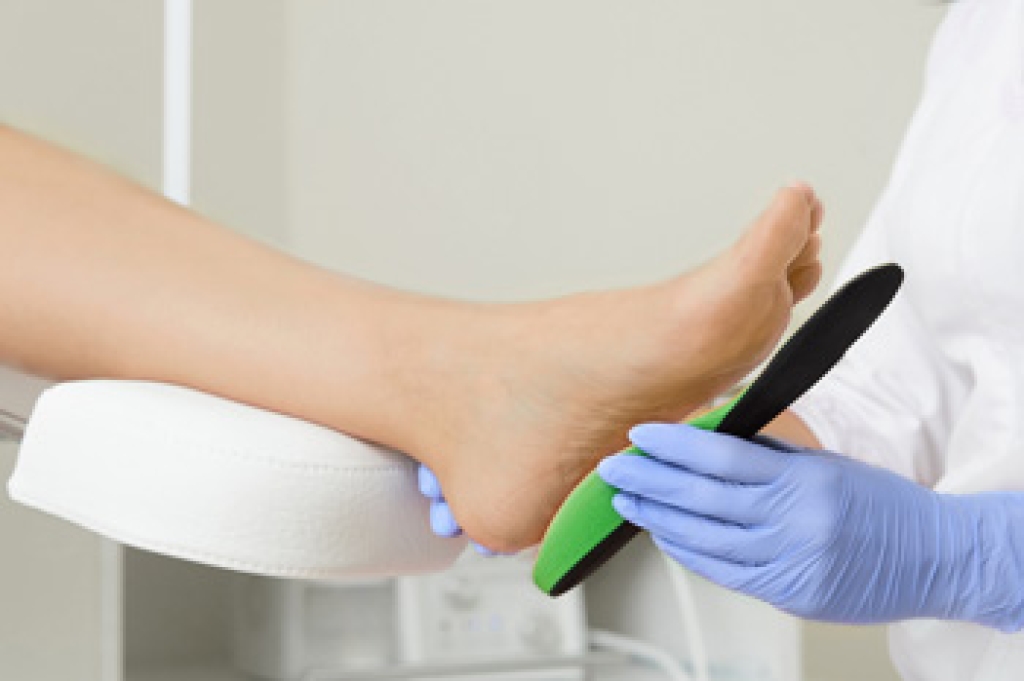
Are Bunions Affecting Your Everyday Life?

Have you noticed a bony protrusion on the side of your big toe? If so, you may have developed the foot condition known as a bunion. Don't let bunions interfere with your daily activities.

Reasons for Cold Feet

Cold feet are a common concern and may occur when blood flow or nerve function is affected. Exposure to cold temperatures can cause blood vessels to narrow, reducing warmth in the feet. Stress may also trigger vascular changes that limit circulation and contribute to a cold sensation. Poor circulation from vascular conditions can prevent enough warm blood from reaching the feet, leading to persistent coldness and discomfort. Additionally, nerve disorders may interfere with normal temperature sensation, making feet feel cold even when they are warm to the touch. Symptoms may include numbness, tingling, color changes, or an aching feeling in the feet and toes. A podiatrist can help by evaluating circulation, nerve health, and foot structure to identify the underlying cause. If your cold feet are accompanied by pain or numbness, it is suggested that you consult a podiatrist who can determine what the cause is, and offer effective relief tips.

Foot Pain

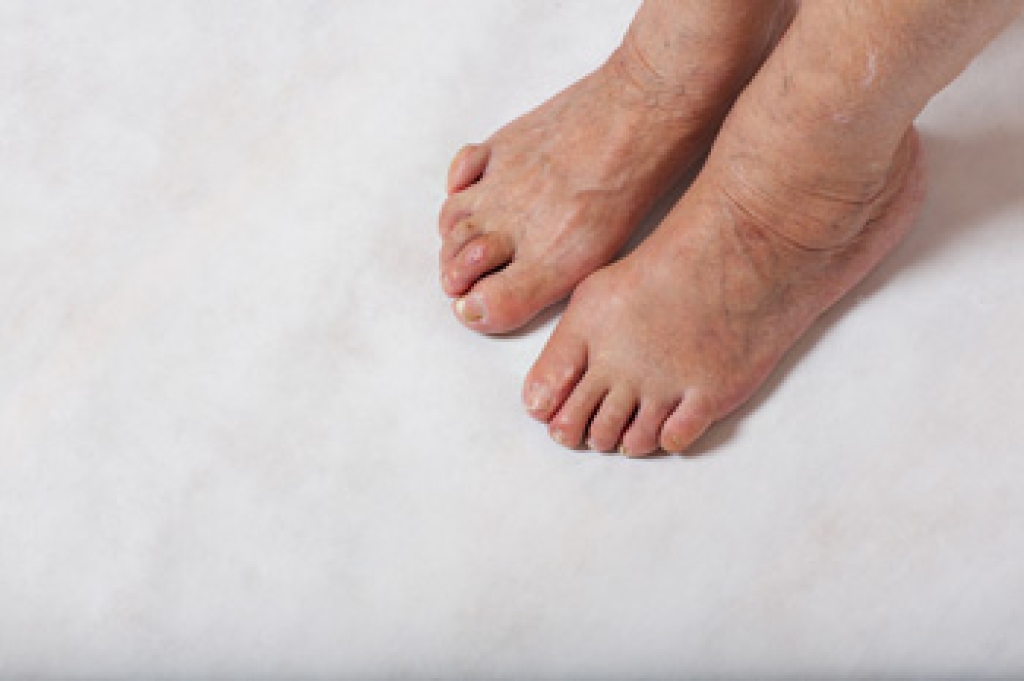
Foot pain can be extremely painful and debilitating. If you have a foot pain, consult with one of our podiatrists from North Eastern Ohio Podiatry Group LLC. our doctors will assess your condition and provide you with quality foot and ankle treatment.

Causes

Foot pain is a very broad condition that could be caused by one or more ailments. The most common include:

  • Bunions
  • Hammertoes
  • Plantar Fasciitis
  • Bone Spurs
  • Corns
  • Tarsal Tunnel Syndrome
  • Ingrown Toenails
  • Arthritis (such as Gout, Rheumatoid, and Osteoarthritis)
  • Flat Feet
  • Injury (from stress fractures, broken toe, foot, ankle, Achilles tendon ruptures, and sprains)
  • And more

Diagnosis

To figure out the cause of foot pain, podiatrists utilize several different methods. This can range from simple visual inspections and sensation tests to X-rays and MRI scans. Prior medical history, family medical history, and any recent physical traumatic events will all be taken into consideration for a proper diagnosis.

Treatment

Treatment depends upon the cause of the foot pain. Whether it is resting, staying off the foot, or having surgery; podiatrists have a number of treatment options available for foot pain.

If you have any questions, please feel free to contact our offices located in Willoughby Hills, Euclid, and Beachwood, OH . We offer the newest diagnostic and treatment technologies for all your foot care needs.

Read more about Foot Pain

Dealing With Foot Pain During Pregnancy

Foot pain during pregnancy often develops as extra weight and shifting balance place added stress on the heels, arches, toes, and ankles. As the baby grows, many women notice soreness linked to swelling, changes in posture, or increased strain on soft tissues. Plantar fasciitis involves irritation of the band of tissue that supports the arch and can lead to sharp pain in the heel, especially when taking the first steps after resting. Irritation of the Achilles tendon creates stiffness and makes walking uncomfortable as the back of the ankle becomes increasingly stressed. Swelling around the toes and ankles can also cause aching or a heavy sensation in the feet and make standing or walking more difficult. A podiatrist can evaluate these foot pain issues, provide inserts for shoes with inadequate support, and offer guidance on ways to reduce strain on the feet during pregnancy. If you are experiencing any of the above symptoms, it is suggested that you make an appointment with a podiatrist for a diagnosis and appropriate treatment.

Pregnant women with swollen feet can be treated with a variety of different methods that are readily available. For more information about other cures for swollen feet during pregnancy, consult with one of our podiatrists from North Eastern Ohio Podiatry Group LLC. our doctors will attend to all of your foot and ankle needs.

What Foot Problems Can Arise During Pregnancy?

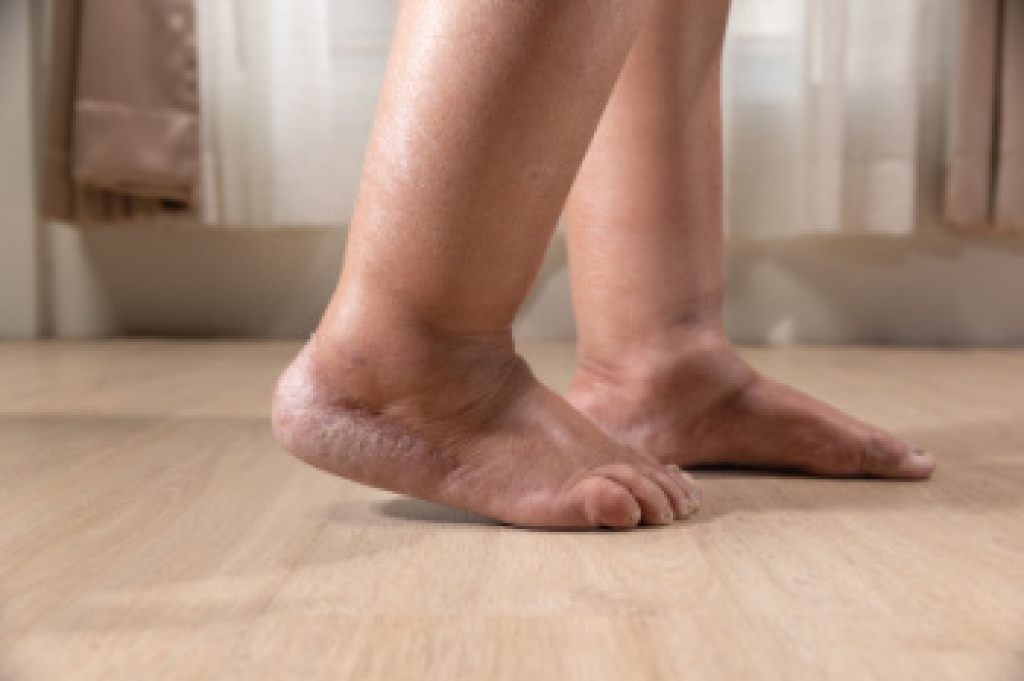
One problem that can occur is overpronation, which occurs when the arch of the foot flattens and tends to roll inward.  This can cause pain and discomfort in your heels while you’re walking or even just standing up, trying to support your baby.  

Another problem is edema, or swelling in the extremities. This often affects the feet during pregnancy but tends to occur in the later stages. 

How Can I Keep My Feet Healthy During Pregnancy?

  • Wearing orthotics can provide extra support for the feet and help distribute weight evenly
  • Minimize the amount of time spent walking barefoot
  • Wear shoes with good arch support
  • Wear shoes that allow for good circulation to the feet
  • Elevate feet if you experience swelling
  • Massage your feet
  • Get regular, light exercise, such as walking, to promote blood circulation to the feet

If you have any questions, please feel free to contact our offices located in Willoughby Hills, Euclid, and Beachwood, OH . We offer the newest diagnostic and treatment technologies for all your foot care needs.
Read more about Pregnancy and Foot Health

Growing Feet and Aching Heels

Sever's disease is a common cause of heel pain in active children, particularly during growth spurts when the heel bone develops faster than the surrounding soft tissues. Symptoms include limping after sports, avoiding pressure on the heel, or walking on their toes to reduce discomfort. It may feel like a sharp ache at the back of the heel that worsens with running or jumping. The condition is usually caused by repetitive stress on the heel growth plate, tight calf muscles, or sudden increases in activity. Helpful stretches include the soleus stretch, which gently lengthens the lower calf, and heel dips, which improve flexibility and reduce strain on the heel. A podiatrist can assist from the start by providing a clear diagnosis, assessing foot structure, and recommending personalized treatments. Among them are activity modification, stretching programs, supportive footwear, and orthotic devices. If your active child is experiencing heel pain, it is suggested that you make an appointment with a podiatrist. 

Sever's disease often occurs in children and teens. If your child is experiencing foot or ankle pain, see one of our podiatrists from North Eastern Ohio Podiatry Group LLC. our doctors can treat your child’s foot and ankle needs.

Sever’s Disease

Sever’s disease is also known as calcaneal apophysitis, which is a medical condition that causes heel pain I none or both feet. The disease is known to affect children between the ages of 8 and 14.

Sever’s disease occurs when part of the child’s heel known as the growth plate (calcaneal epiphysis) is attached to the Achilles tendon. This area can suffer injury when the muscles and tendons of the growing foot do not keep pace with bone growth. Therefore, the constant pain which one experiences at the back of the heel will make the child unable to put any weight on the heel. The child is then forced to walk on their toes.

Symptoms

Acute pain – Pain associated with Sever’s disease is usually felt in the heel when the child engages in physical activity such as walking, jumping and or running.

Highly active – Children who are very active are among the most susceptible in experiencing Sever’s disease, because of the stress and tension placed on their feet.

If you have any questions, please feel free to contact our offices located in Willoughby Hills, Euclid, and Beachwood, OH . We offer the newest diagnostic and treatment technologies for all your foot care needs.

Read more about Sever's Disease

Signs and Treatment of a Broken Heel Bone

Signs of a broken heel bone often develop quickly after an injury and can make walking very difficult. The heel bone, known medically as the calcaneus, supports the back of the foot and works to help the foot roll inward and outward during movement. A break in the heel bone often causes sudden swelling, severe heel pain, and bruising that spreads through the back of the foot. Many people cannot put weight on the injured foot at all. The pain usually worsens when trying to stand, walk, or even move the ankle. In some heel bone fractures, the skin stays intact, but when the skin is broken, surgery is needed right away to reduce the risk of serious complications. A podiatrist can evaluate the injury, order imaging, and guide proper treatment to help protect long-term foot function. If you believe you have broken your heel bone, it is suggested that you make an immediate appointment with a podiatrist for a diagnosis and treatment.

A broken foot requires immediate medical attention and treatment. If you need your feet checked, contact one of our podiatrists from North Eastern Ohio Podiatry Group LLC. our doctors can provide the care you need to keep you pain-free and on your feet.

Broken Foot Causes, Symptoms, and Treatment

A broken foot is caused by one of the bones in the foot typically breaking when bended, crushed, or stretched beyond its natural capabilities. Usually the location of the fracture indicates how the break occurred, whether it was through an object, fall, or any other type of injury. 

Common Symptoms of Broken Feet:

  • Bruising
  • Pain
  • Redness
  • Swelling
  • Blue in color
  • Numbness
  • Cold
  • Misshapen
  • Cuts
  • Deformities

Those that suspect they have a broken foot shoot seek urgent medical attention where a medical professional could diagnose the severity.

Treatment for broken bones varies depending on the cause, severity and location. Some will require the use of splints, casts or crutches while others could even involve surgery to repair the broken bones. Personal care includes the use of ice and keeping the foot stabilized and elevated.

If you have any questions, please feel free to contact our offices located in Willoughby Hills, Euclid, and Beachwood, OH . We offer the newest diagnostic and treatment technologies for all your foot care needs.

Read more about Causes, Symptoms, and Treatment for a Broken Foot

Connect With Us

scroll to top