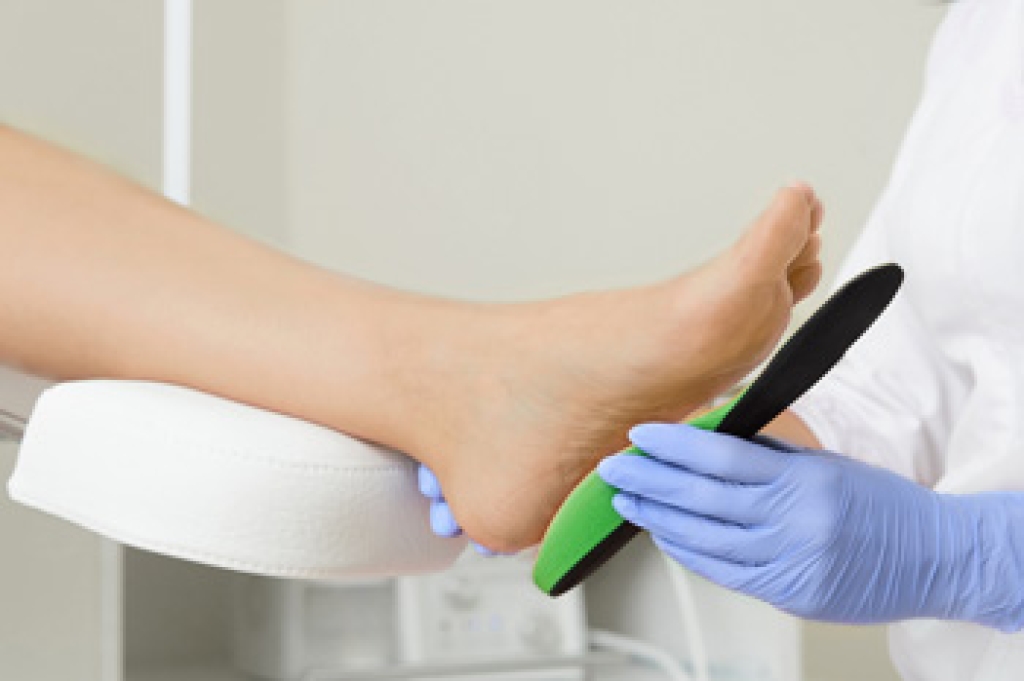
Heel Fat Pad Atrophy Can Cause Lasting Heel Pain

The heel fat pad is a thick layer of soft tissue beneath the heel bone that cushions each step. Heel fat pad atrophy develops when this protective layer becomes thinner or loses some of its spring. The heel then has less protection from the force created while walking, running, or standing. Aging can contribute to these changes. Repeated impact and an uneven walking pattern can place added strain on the pad. Certain health conditions, including diabetes, rheumatoid arthritis, and lupus, can also affect this tissue.

Heel fat pad atrophy causes a deep, bruise-like pain in the center of the heel. The discomfort can become stronger on hard floors or after long periods of standing. Some patients feel pain while resting or when firm pressure is placed on the heel. These symptoms can resemble plantar fasciitis, but the location of the pain is usually different. Plantar fasciitis tends to cause pain closer to the inner front edge of the heel. An accurate diagnosis is important because these two problems require different care. Without proper treatment, heel pain can affect a patient’s walking pattern and increase pressure elsewhere in the foot.

A podiatrist can examine the heel, review the patient’s symptoms, and study how the foot moves. X-rays can help rule out a bone injury or another source of pain. Ultrasound imaging can show the thickness and condition of the heel pad. Once the cause is identified, the podiatrist can recommend treatment based on foot structure and activity level. Treatment can include custom orthotics, cushioned heel cups, or taping to hold the heel pad in a better position. The podiatrist can recommend shoes with proper cushioning and support. Regular evaluations can track changes in the heel and allow the treatment plan to be adjusted. If you have pain, it is suggested that you schedule an appointment with a podiatrist who can accurately diagnose and treat heel pad atrophy. 

Many people suffer from bouts of heel pain. For more information, contact one of our podiatrists of North Eastern Ohio Podiatry Group LLC. our doctors can provide the care you need to keep you pain-free and on your feet.

Causes of Heel Pain

Heel pain is often associated with plantar fasciitis. The plantar fascia is a band of tissues that extends along the bottom of the foot. A rip or tear in this ligament can cause inflammation of the tissue.

Achilles tendonitis is another cause of heel pain. Inflammation of the Achilles tendon will cause pain from fractures and muscle tearing. Lack of flexibility is also another symptom.

Heel spurs are another cause of pain. When the tissues of the plantar fascia undergo a great deal of stress, it can lead to ligament separation from the heel bone, causing heel spurs.

Why Might Heel Pain Occur?

  • Wearing ill-fitting shoes                
  • Wearing non-supportive shoes
  • Weight change           
  • Excessive running

Treatments

Heel pain should be treated as soon as possible for immediate results. Keeping your feet in a stress-free environment will help. If you suffer from Achilles tendonitis or plantar fasciitis, applying ice will reduce the swelling. Stretching before an exercise like running will help the muscles. Using all these tips will help make heel pain a condition of the past.

If you have any questions, please feel free to contact our offices located in Willoughby Hills, Euclid, and Beachwood, OH . We offer the newest diagnostic and treatment technologies for all your foot care needs.

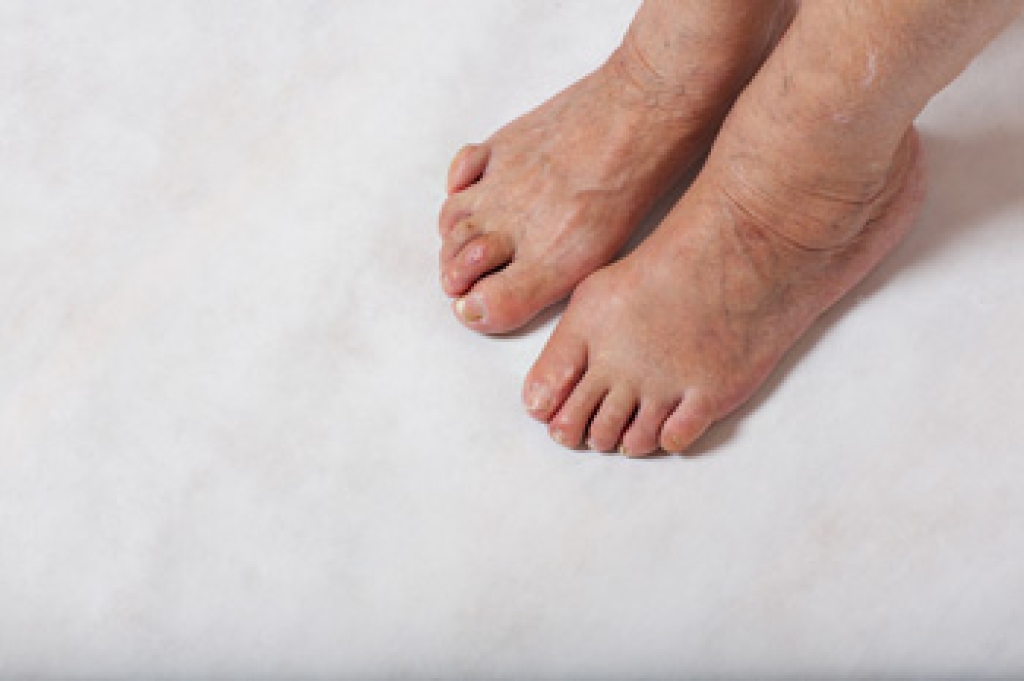
Read more about Heel Pain

Common Causes of Sesamoiditis

Sesamoiditis is irritation or inflammation of the small bones beneath the big toe joint called sesamoids. These bones help protect the tendons and absorb pressure as the foot moves. When they experience too much repeated stress, the surrounding tissues can become irritated and painful. Sesamoiditis often affects people who spend a lot of time on their feet or participate in activities that place pressure on the ball of the foot. Recognizing the early signs can help you get comfortable and return to your normal routine.

Physical activity is a common reason sesamoiditis develops. Dancers and soccer players may experience this condition because their activities require frequent pushing off through the toes. Running and jumping can also place repeated pressure beneath the big toe. Suddenly increasing your exercise routine may make the problem more likely. Wearing high heels can shift your body weight toward the front of the foot and increase pressure on the sesamoid bones. Wearing poorly cushioned shoes, prolonged standing, and previous injuries can also contribute.

Sesamoiditis symptoms often develop gradually and may include pain beneath the big toe, swelling, and tenderness. You may notice discomfort when walking, bending the big toe, or participating in favorite activities. A podiatrist can begin by discussing your symptoms, activity level, and footwear. The foot may be examined for tenderness and movement problems. Imaging may also be recommended to rule out a fracture or another condition. Treatment often begins with rest, activity changes, and wearing supportive footwear.

Healing requires giving irritated tissues enough time to recover while reducing pressure on the affected area. A podiatrist may recommend cushioning, padding, or orthotics to help redistribute pressure. More severe cases may require temporary immobilization with a walking boot. Follow-up appointments allow the podiatrist to monitor healing and adjust treatment as needed. If you have symptoms of sesamoiditis, it is suggested that you consult a podiatrist for an accurate diagnosis and appropriate treatment.

Sesamoiditis is an unpleasant foot condition characterized by pain in the balls of the feet. If you think you’re struggling with sesamoiditis, contact one of our podiatrists of North Eastern Ohio Podiatry Group LLC. our doctors will treat your condition thoroughly and effectively.

Sesamoiditis

Sesamoiditis is a condition of the foot that affects the ball of the foot. It is more common in younger people than it is in older people. It can also occur with people who have begun a new exercise program, since their bodies are adjusting to the new physical regimen. Pain may also be caused by the inflammation of tendons surrounding the bones. It is important to seek treatment in its early stages because if you ignore the pain, this condition can lead to more serious problems such as severe irritation and bone fractures.

Causes of Sesamoiditis

  • Sudden increase in activity
  • Increase in physically strenuous movement without a proper warm up or build up
  • Foot structure: those who have smaller, bonier feet or those with a high arch may be more susceptible

Treatment for sesamoiditis is non-invasive and simple. Doctors may recommend a strict rest period where the patient forgoes most physical activity. This will help give the patient time to heal their feet through limited activity. For serious cases, it is best to speak with your doctor to determine a treatment option that will help your specific needs.

If you have any questions, please feel free to contact our offices located in Willoughby Hills, Euclid, and Beachwood, OH . We offer the newest diagnostic and treatment technologies for all your foot care needs.
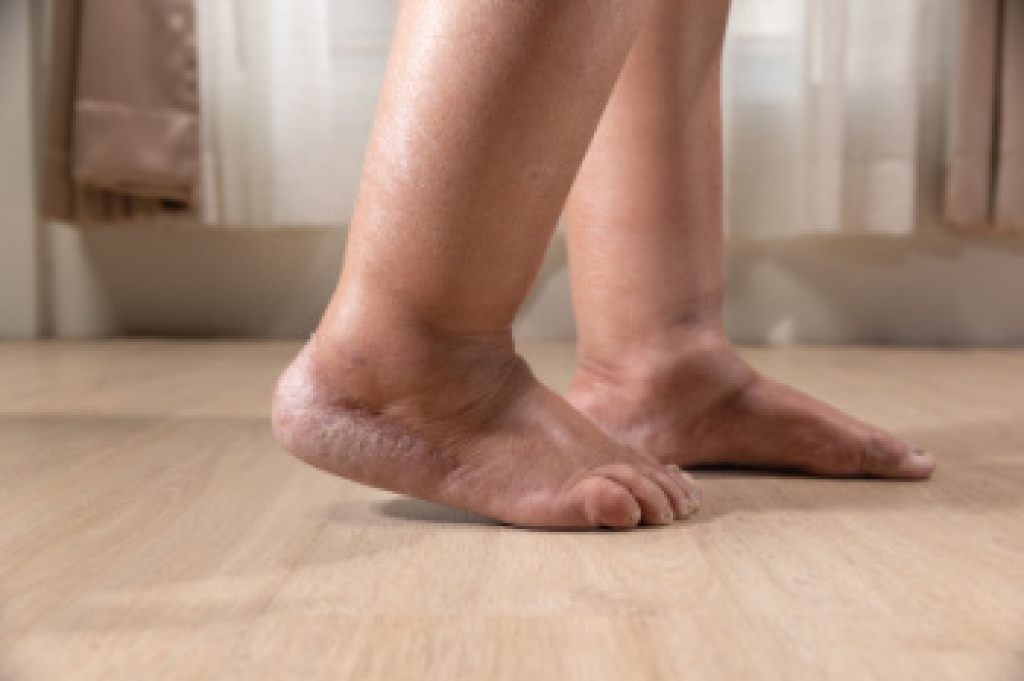
Read more about Sesamoiditis

Understanding Foot Blisters and Podiatry Treatment

Foot blisters are fluid-filled bumps that form when the upper layers of skin become irritated or damaged. Friction is a frequent cause, especially when shoes rub repeatedly against the skin. Blisters can develop on the toes, heels, or other areas exposed to pressure. Burns and cold injuries can also produce blisters. A blood blister can form when the skin is pinched hard enough to damage tiny blood vessels. Depending on the cause, a blister can feel tender or painful and can make standing or walking uncomfortable.

Blisters can also develop because of infections, allergic reactions, or certain medicines. Some viral infections cause groups of blisters, while bacterial infections can produce tender areas that later blister. On the feet, broken blisters require careful evaluation because damaged skin can allow infection to develop. Warning signs include increasing redness, warmth, and swelling. Pus or red streaks spreading from the area can also point to infection. Patients with diabetes or poor circulation should take foot blisters seriously because these health problems can raise the risk of complications and make healing more difficult.

A podiatrist can examine a foot blister, identify possible causes, and check the surrounding skin for infection. This evaluation is especially useful when a blister is very painful, keeps returning, or lasts longer than expected. A podiatrist can also determine whether pressure or friction from shoes is contributing to the problem. Treatment depends on the blister's cause, location, and condition. Care can focus on protecting the affected skin and reducing pressure on weight-bearing areas. A podiatrist can also address an infected blister and recommend ways to reduce repeated friction from shoes. If you have developed foot blisters, it is suggested that you schedule an appointment with a podiatrist who can offer effective relief and prevention tips.

Blisters are prone to making everyday activities extremely uncomfortable. If your feet are hurting, contact one of our podiatrists of North Eastern Ohio Podiatry Group LLC. our doctors can provide the care you need to keep you pain-free and on your feet.

Foot Blisters

Foot blisters develop as a result of constantly wearing tight or ill-fitting footwear. This happens due to the constant rubbing from the shoe, which can often lead to pain.

What Are Foot Blisters?

A foot blister is a small fluid-filled pocket that forms on the upper-most layer of the skin. Blisters are filled with clear fluid and can lead to blood drainage or pus if the area becomes infected.

How Do Blisters Form?

Blisters on the feet are often the result of constant friction of skin and material, usually by shoe rubbing. Walking in sandals, boots, or shoes that don’t fit properly for long periods of time can result in a blister. Having consistent foot moisture and humidity can easily lead to blister formation.

Prevention & Treatment

It is important to properly care for the affected area in order to prevent infection and ease the pain. Do not lance the blister and use a Band-Aid to provide pain relief. Also, be sure to keep your feet dry and wear proper fitting shoes. If you see blood or pus in a blister, seek assistance from a podiatrist.

If you have any questions, please feel free to contact our offices located in Willoughby Hills, Euclid, and Beachwood, OH . We offer the newest diagnostic and treatment technologies for all your foot care needs.

Read more about Blisters

Ease Painful Feet With Orthotics

Custom orthotics can be used to relieve foot pain and discomfort. They're also used to treat various foot conditions and deformities. Flat feet, bunions, and Morton's neuroma are just a few of the foot conditions that have been known to benefit from the use of orthotics.

Comfy feet are happy feet! Contact us today.

Why a Broken Toe Should Be Evaluated by a Podiatrist

A broken toe is a common injury that can make walking, standing, and other daily activities uncomfortable. It often results from stubbing the toe, dropping a heavy object on the foot, or experiencing a sports-related injury. A fracture may involve a small crack in the bone or a more serious break that affects the toe's alignment. Because the toes help provide balance and support with every step, even a minor fracture can interfere with normal movement. Some broken toes heal without complications, while others require closer medical attention to prevent long-term problems. A professional evaluation is important to determine the type of fracture and recommend the most appropriate treatment. Early diagnosis may also help protect foot function and support proper healing.


Symptoms of a broken toe usually appear soon after the injury. Many people experience pain, swelling, or bruising around the affected toe. Others notice tenderness or difficulty putting weight on the front of the foot. In some cases, the toe may appear crooked or sit in an unusual position if the bones have shifted. Walking may become more difficult because of discomfort and reduced flexibility. Since sprains and fractures can cause similar symptoms, imaging studies may be needed to confirm the diagnosis. Prompt treatment can help reduce complications and support a smoother recovery.


A podiatrist specializes in diagnosing and treating broken toes and other foot injuries. During an examination, the podiatrist evaluates the injured toe, reviews the symptoms, and determines the extent of the fracture before creating an individualized treatment plan. Treatment focuses on restoring proper alignment when needed, protecting the injured area, and supporting healthy healing. Ongoing podiatry care may also help improve foot function and reduce the risk of long-term complications. If you are experiencing toe pain, swelling, or difficulty walking after an injury, it is suggested that you consult a podiatrist for an evaluation and appropriate treatment options.

Broken toes may cause a lot of pain and should be treated as soon as possible. If you have any concerns about your feet, contact one of our podiatrists from North Eastern Ohio Podiatry Group LLC. our doctors will treat your foot and ankle needs.

What Is a Broken Toe?

A broken toe occurs when one or more of the toe bones of the foot are broken after an injury. Injuries such as stubbing your toe or dropping a heavy object on it may cause a toe fracture.

Symptoms of a Broken Toe

  • Swelling
  • Pain (with/without wearing shoes)
  • Stiffness
  • Nail Injury

Although the injured toe should be monitored daily, it is especially important to have a podiatrist look at your toe if you have severe symptoms. Some of these symptoms include worsening or new pain that is not relieved with medication, sores, redness, or open wounds near the toe.

If you have any questions please feel free to contact our offices located in Willoughby Hills, Euclid, and Beachwood, OH . We offer the newest diagnostic tools and technology to treat your foot and ankle needs.

Read more about What to Know About a Broken Toe

Connect With Us

scroll to top