Causes of Big Toe Pain

Pain in the big toe joint can come from several conditions, but bunions and gout are two common causes that feel very different. A bunion develops slowly as the big toe shifts toward the second toe, creating a bony bump on the side of the joint. The area may be enlarged, irritated by shoes, and sore after long periods of walking or standing. In contrast, gout often appears suddenly. The joint may become red, swollen, and extremely painful within hours. Many patients describe the pain as burning or throbbing, and the skin may feel warm and tight. Bunions are usually linked to foot structure, genetics, or long-term pressure from footwear. Gout is caused by uric acid crystals building up inside the joint. A podiatrist can evaluate the toe through examination and imaging to determine the source of the pain. Treatment may include supportive footwear, custom orthotics, medication, or surgical correction for severe bunions. If you have pain in the big toe, it is suggested that you make an appointment with a podiatrist for a diagnosis and treatment.

If you are suffering from bunions, contact one of our podiatrists of North Eastern Ohio Podiatry Group LLC. our doctors can provide the care you need to keep you pain-free and on your feet.

What Is a Bunion?

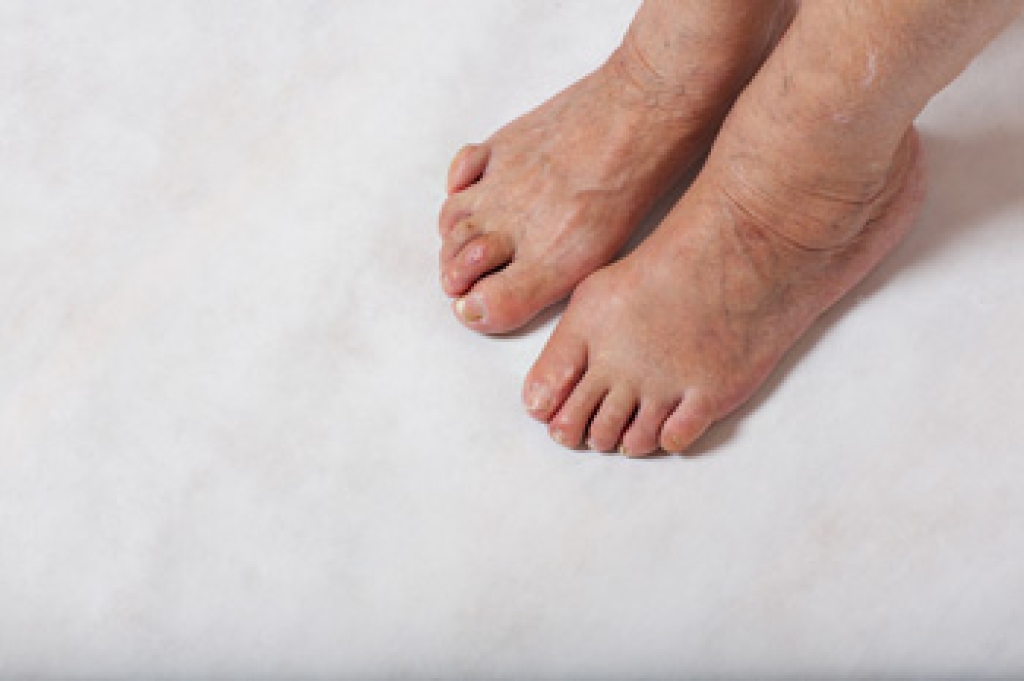
A bunion is formed of swollen tissue or an enlargement of boney growth, usually located at the base joint of the toe that connects to the foot. The swelling occurs due to the bones in the big toe shifting inward, which impacts the other toes of the foot. This causes the area around the base of the big toe to become inflamed and painful.

Why Do Bunions Form?

Genetics – Susceptibility to bunions are often hereditary

Stress on the feet – Poorly fitted and uncomfortable footwear that places stress on feet, such as heels, can worsen existing bunions

How Are Bunions Diagnosed?

Podiatrists often perform two tests – blood tests and x-rays – when trying to diagnose bunions, especially in the early stages of development. Blood tests help determine if the foot pain is being caused by something else, such as arthritis, while x-rays provide a clear picture of your bone structure to your provider.

How Are Bunions Treated?

  • Refrain from wearing heels or similar shoes that cause discomfort
  • Select wider shoes that can provide more comfort and reduce pain
  • Anti-inflammatory and pain management drugs
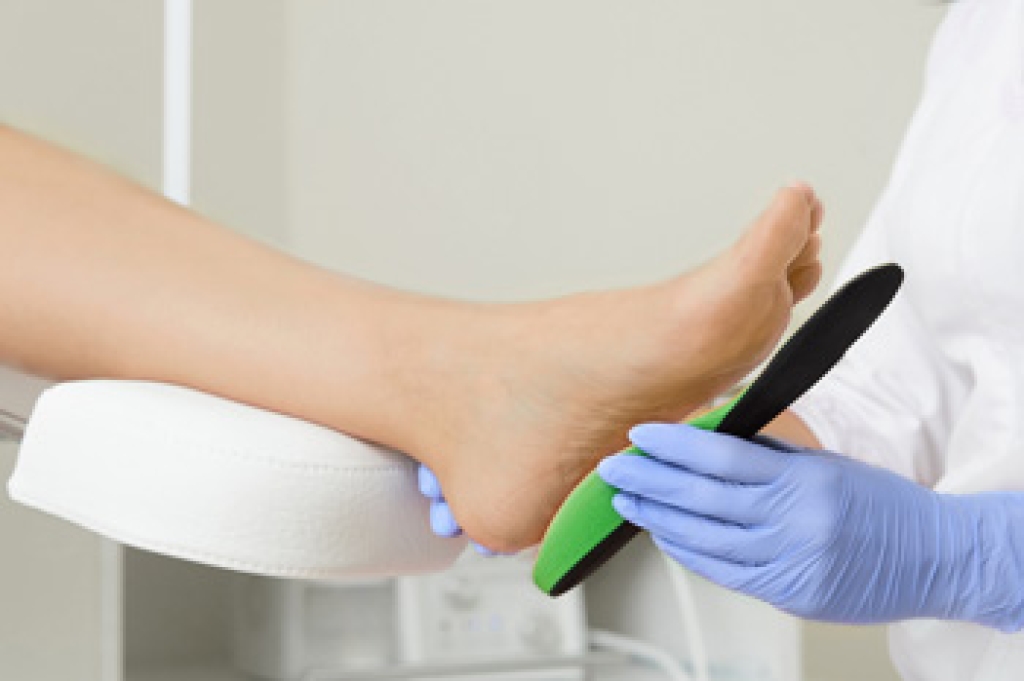
  • Orthotics or foot inserts
  • Surgery

If you have any questions, please feel free to contact our offices located in Willoughby Hills, Euclid, and Beachwood, OH . We offer the newest diagnostic and treatment technologies for all your foot care needs.

Read more about Bunions

How Certain Genetic Conditions Can Affect the Feet

Some genetic disorders can influence the way bones, joints, and connective tissues develop in the feet. Because the feet contain many small bones and joints, inherited conditions may change their shape, alignment, or flexibility. Achondroplasia, a common form of dwarfism, affects bone growth and may lead to changes in leg alignment that place extra stress on the feet and ankles during walking. Ellis van Creveld syndrome is a rare genetic condition that can cause short limbs and sometimes extra toes, which may affect balance and shoe fit. Marfan syndrome affects the body’s connective tissue and often leads to long, flexible feet with loose joints that can increase the risk of ankle instability. These structural differences may lead to discomfort, fatigue, or changes in walking over time. When unusual foot structure or persistent pain develops, it is suggested that you see a podiatrist for a proper diagnosis and appropriate treatment.

Some foot conditions may require additional professional care. If you have any concerns, contact one of our podiatrists of North Eastern Ohio Podiatry Group LLC. our doctors can provide the care you need to keep you pain-free and on your feet.

Rare Foot Conditions

The majority of foot conditions are common and can be treated by a podiatrist.  Standard diagnostic procedures are generally used to identify specific conditions and treatment can be rendered. A podiatrist also treats rare foot conditions which can be difficult to diagnose and may need extra attention and care. 

There are many rare foot conditions that can affect children. Some of these can include:

  • Freiberg’s disease
  • Kohler’s disease
  • Maffucci syndrome

Freiberg’s disease - This can be seen as a deterioration and flattening of a metatarsal bone that exists in the ball of the foot. It typically affects pre-teen and teenage girls, but can affect anyone at any age. Symptoms that can accompany this can be swelling, stiffness, and the patient may limp. 

Kohler’s disease - This often targets the bone in the arch of the foot and affects younger boys. It can lead to an interruption of the blood supply which ultimately can lead to bone deterioration. The patient may limp or experience tenderness, swelling, and redness.

Maffucci syndrome - This affects the long bones in a child’s foot leading to the development of abnormal bone lesions. They are benign growths and typically develop in early childhood and the bones may be susceptible to breaking. 

A podiatrist can properly diagnose and treat all types of rare foot conditions. If your child is affected by any of these symptoms or conditions, please don’t hesitate to call our office so the correct treatment method can begin.

If you have any questions, please feel free to contact our offices located in Willoughby Hills, Euclid, and Beachwood, OH . We offer the newest diagnostic and treatment technologies for all your foot care needs.
Read more about Rare Foot Conditions

Get Proper Treatment for Ankle Injuries

If you're experiencing ankle pain, you may be suffering from an ankle injury. Sprains, fractures, Achilles tendonitis, and Achilles tendon ruptures are just some examples of potential ankle injuries. Don't wait for care for an ankle injury, as it may worsen over time. We can help!

Healing Paths That Help Chronic Foot Wounds Close

Chronic foot wounds are sores that do not heal within several weeks. They often develop in people with diabetes, poor circulation, or nerve damage. Because the skin on the feet faces daily pressure and friction, healing can be slow without proper care. Treatment begins with a careful exam to find the cause of the wound. Removing dead tissue through gentle debridement helps healthy tissue grow. Special moisture-balancing dressings protect the area and support healing. Reducing swelling and improving blood flow are also important parts of care. Some people benefit from negative pressure therapy or skin grafts. Managing blood sugar and wearing off-loading footwear can prevent added stress on the wound. Close monitoring lowers the risk of infection and serious complications. If you have a sore on your foot that is not improving, it is suggested that you see a podiatrist for a proper diagnosis and appropriate treatment.

Wound care is an important part in dealing with diabetes. If you have diabetes and a foot wound or would like more information about wound care for diabetics, consult with one of our podiatrists from North Eastern Ohio Podiatry Group LLC. our doctors will assess your condition and provide you with quality foot and ankle treatment.

What Is Wound Care?

Wound care is the practice of taking proper care of a wound. This can range from the smallest to the largest of wounds. While everyone can benefit from proper wound care, it is much more important for diabetics. Diabetics often suffer from poor blood circulation which causes wounds to heal much slower than they would in a non-diabetic. 

What Is the Importance of Wound Care?

While it may not seem apparent with small ulcers on the foot, for diabetics, any size ulcer can become infected. Diabetics often also suffer from neuropathy, or nerve loss. This means they might not even feel when they have an ulcer on their foot. If the wound becomes severely infected, amputation may be necessary. Therefore, it is of the upmost importance to properly care for any and all foot wounds.

How to Care for Wounds

The best way to care for foot wounds is to prevent them. For diabetics, this means daily inspections of the feet for any signs of abnormalities or ulcers. It is also recommended to see a podiatrist several times a year for a foot inspection. If you do have an ulcer, run the wound under water to clear dirt from the wound; then apply antibiotic ointment to the wound and cover with a bandage. Bandages should be changed daily and keeping pressure off the wound is smart. It is advised to see a podiatrist, who can keep an eye on it.

If you have any questions please contact our offices located in Willoughby Hills, Euclid, and Beachwood, OH . We offer the newest diagnostic and treatment technologies for all your foot and ankle needs.

Read more about Wound Care

Recognizing Foot Problems

Foot issues, such as plantar fasciitis, heel spurs, and claw toes, can significantly impact daily life. Plantar fasciitis is an inflammation of the plantar fascia, the thick band of tissue connecting the heel to the toes, causing sharp heel pain, especially in the morning. Heel spurs are bony protrusions that can develop on the heel bone, often linked to plantar fasciitis, leading to persistent pain and discomfort. Claw toes occur when the toe joints bend excessively, resulting in a claw-like appearance. Symptoms include pain, redness, and difficulty wearing shoes comfortably. Experiencing persistent symptoms warrant professional evaluation. A podiatrist might recommend custom orthotics, targeted exercises, or, in some cases, surgery to address the underlying issues. If you are experiencing foot pain or discomfort, it is suggested you schedule an appointment with a podiatrist for an accurate diagnosis and effective treatment options, tailored to your needs.

Foot Pain

Foot pain can be extremely painful and debilitating. If you have a foot pain, consult with one of our podiatrists from North Eastern Ohio Podiatry Group LLC. our doctors will assess your condition and provide you with quality foot and ankle treatment.

Causes

Foot pain is a very broad condition that could be caused by one or more ailments. The most common include:

  • Bunions
  • Hammertoes
  • Plantar Fasciitis
  • Bone Spurs
  • Corns
  • Tarsal Tunnel Syndrome
  • Ingrown Toenails
  • Arthritis (such as Gout, Rheumatoid, and Osteoarthritis)
  • Flat Feet
  • Injury (from stress fractures, broken toe, foot, ankle, Achilles tendon ruptures, and sprains)
  • And more

Diagnosis

To figure out the cause of foot pain, podiatrists utilize several different methods. This can range from simple visual inspections and sensation tests to X-rays and MRI scans. Prior medical history, family medical history, and any recent physical traumatic events will all be taken into consideration for a proper diagnosis.

Treatment

Treatment depends upon the cause of the foot pain. Whether it is resting, staying off the foot, or having surgery; podiatrists have a number of treatment options available for foot pain.

If you have any questions, please feel free to contact our offices located in Willoughby Hills, Euclid, and Beachwood, OH . We offer the newest diagnostic and treatment technologies for all your foot care needs.

Read more about Foot Pain

Connect With Us

scroll to top