Clubfoot and the Importance of Early Treatment

Clubfoot is a congenital condition in which a baby' s foot is twisted out of its normal position. The medical term, talipes, refers to this deformity, and one common form is talipes equinovarus, where the foot points downward and inward. In equinus, the foot is fixed in a downward position, while varus describes the inward turning of the heel. Causes may include genetic factors, abnormal fetal positioning, or neuromuscular conditions. Early diagnosis is essential to promote proper development and mobility. A podiatrist can evaluate the deformity, coordinate corrective treatment, and monitor progress throughout growth. If your child has been born with a clubfoot, it is strongly suggested that you include a podiatrist on your healthcare team to ensure healthy foot alignment and long-term function.

Congenital foot problems require immediate attention to avoid future complications. If you have any concerns, contact one of our podiatrists of North Eastern Ohio Podiatry Group LLC. our doctors can provide the care you need to keep you pain-free and on your feet.

Congenital foot problems are deformities affecting the feet, toes, and/or ankles that children are born with. Some of these conditions have a genetic cause while others just happen. Some specific foot ailments that children may be born with include clubfeet, polydactyly/macrodactyly, and cleft foot. There are several other foot anomalies that can occur congenitally. What all of these conditions have in common is that a child may experience difficulty walking or performing everyday activities, as well as trouble finding footwear that fits their foot deformity. Some of these conditions are more serious than others. Consulting with a podiatrist as early as possible will help in properly diagnosing a child’s foot condition while getting the necessary treatment underway.

What are Causes of Congenital Foot Problem?

A congenital foot problem is one that happens to a child at birth. These conditions can be caused by a genetic predisposition, developmental or positional abnormalities during gestation, or with no known cause.

What are Symptoms of Congenital Foot Problems?

Symptoms vary by the congenital condition. Symptoms may consist of the following:

  • Clubfoot, where tendons are shortened, bones are shaped differently, and the Achilles tendon is tight, causing the foot to point in and down. It is also possible for the soles of the feet to face each other.
  • Polydactyly, which usually consists of a nubbin or small lump of tissue without a bone, a toe that is partially formed but has no joints, or an extra toe.
  • Vertical talus, where the talus bone forms in the wrong position causing other bones in the foot to line up improperly, the front of the foot to point up, and the bottom of the foot to stiffen, with no arch, and to curve out.
  • Tarsal coalition, when there is an abnormal connection of two or more bones in the foot leading to severe, rigid flatfoot.
  • Cleft foot, where there are missing toes, a V-shaped cleft, and other anatomical differences.
  • Macrodactyly, when the toes are abnormally large due to overgrowth of the underlying bone or soft tissue.

Treatment and Prevention

While there is nothing one can do to prevent congenital foot problems, raising awareness and receiving neonatal screenings are important. Early detection by taking your child to a podiatrist leads to the best outcome possible.

If you have any questions, please feel free to contact our offices located in Willoughby Hills, Euclid, and Beachwood, OH . We offer the newest diagnostic and treatment technologies for all your foot care needs.

Read more about Congenital Foot Problems

Foods That May Help to Reduce the Risk of Gout

Gout is a form of inflammatory arthritis caused by a buildup of uric acid crystals in the joints. It commonly affects the big toe, leading to sudden and intense pain, redness, swelling, and warmth in the joint. The discomfort may develop quickly and become severe enough to limit walking. Foods high in purines, such as red meat, shellfish, and sugary beverages, can increase uric acid levels and trigger flare ups. Choosing fresh vegetables, fruits, whole grains, and adequate water intake may help to reduce risk. Maintaining a healthy weight also supports prevention. A podiatrist can diagnose gout, manage pain, and recommend treatment to protect joint health. If you have developed gout, it is suggested that you are under the care of a podiatrist who can help you to manage this painful condition.

Gout is a painful condition that can be treated. If you are seeking treatment, contact one of our podiatrists from North Eastern Ohio Podiatry Group LLC. our doctors will treat your foot and ankle needs.

What Is Gout?

Gout is a form of arthritis that is characterized by sudden, severe attacks of pain, redness, and tenderness in the joints. The condition usually affects the joint at the base of the big toe. A gout attack can occur at any random time, such as the middle of the night while you are asleep.

Symptoms

  • Intense Joint Pain - Usually around the large joint of your big toe, and it most severe within the first four to twelve hours
  • Lingering Discomfort - Joint discomfort may last from a few days to a few weeks
  • Inflammation and Redness -Affected joints may become swollen, tender, warm and red
  • Limited Range of Motion - May experience a decrease in joint mobility

Risk Factors

  • Genetics - If family members have gout, you’re more likely to have it
  • Medications - Diuretic medications can raise uric acid levels
  • Gender/Age - Gout is more common in men until the age of 60. It is believed that estrogen protects women until that point
  • Diet - Eating red meat and shellfish increases your risk
  • Alcohol - Having more than two alcoholic drinks per day increases your risk
  • Obesity - Obese people are at a higher risk for gout

Prior to visiting your podiatrist to receive treatment for gout, there are a few things you should do beforehand. If you have gout you should write down your symptoms--including when they started and how often you experience them, important medical information you may have, and any questions you may have. Writing down these three things will help your podiatrist in assessing your specific situation so that he or she may provide the best route of treatment for you.

If you have any questions, please feel free to contact our offices located in Willoughby Hills, Euclid, and Beachwood, OH . We offer the newest diagnostic and treatment technologies for all your foot care needs.

Read more about Gout

Reasons to Have Bunion Surgery

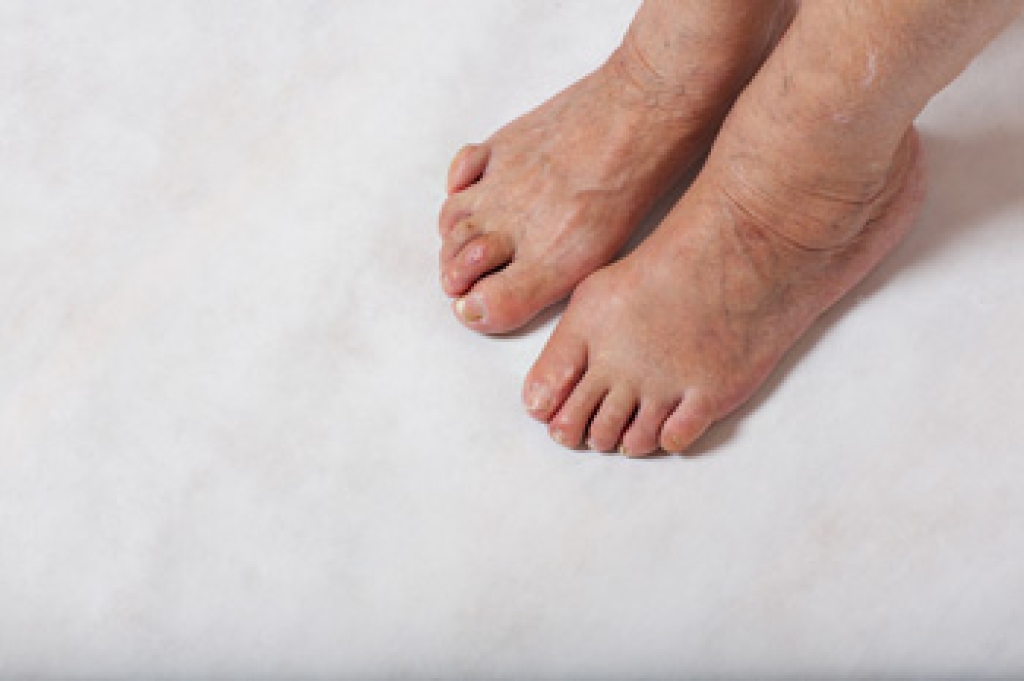
A bunion is a bony bump that forms at the base of the big toe when the joint becomes misaligned and pushes outward. This condition can cause pain, swelling, stiffness and difficulty wearing shoes. Bunion surgery may be needed when conservative care no longer relieves discomfort, or when the bunion interferes with walking and daily activities. It is performed by realigning the bone and joint to restore proper position and function. The benefits include relieving pain, improving foot stability, allowing more natural walking, and enhancing the appearance of the foot. A podiatrist can determine the right treatment approach and guide recovery. If you have bunion pain that limits your comfort or mobility, it is suggested that you consult a podiatrist who can discuss whether bunion surgery is a viable option for you.

Foot surgery is sometimes necessary to treat a foot ailment. To learn more, contact one of our podiatrists of North Eastern Ohio Podiatry Group LLC. our doctors will assist you with all of your foot and ankle needs.

When Is Surgery Necessary?

Foot and ankle surgery is generally reserved for cases in which less invasive, conservative procedures have failed to alleviate the problem. Some of the cases in which surgery may be necessary include:

  • Removing foot deformities like bunions and bone spurs
  • Severe arthritis that has caused bone issues
  • Cosmetic reconstruction

What Types of Surgery Are There?

The type of surgery you receive will depend on the nature of the problem you have. Some of the possible surgeries include:

  • Bunionectomy for painful bunions
  • Surgical fusion for realignment of bones
  • Neuropathy decompression surgery to treat nerve damage

Benefits of Surgery

Although surgery is usually a last resort, it can provide more complete pain relief compared to non-surgical methods and may allow you to finally resume full activity.

Surgical techniques have also become increasingly sophisticated. Techniques like endoscopic surgery allow for smaller incisions and faster recovery times.

If you have any questions, please feel free to contact our offices located in Willoughby Hills, Euclid, and Beachwood, OH . We offer the newest diagnostic and treatment technologies for all your foot care needs.

Read more about Foot Surgery

Why Do Corns Form and How Can They Be Treated?

Corns are thickened areas of skin that develop when repeated pressure or friction causes the body to protect itself. They often form on toes or areas that rub against footwear or other toes, and they may feel painful when walking. Hard corns usually appear on the tops or sides of toes, while soft corns tend to develop between toes where moisture is present. Although corns may seem minor, they can worsen over time and interfere with gait. A podiatrist can identify the underlying cause, such as foot structure, abnormal pressure points, or improper footwear, and determine the exact type of corn present. Treatment of corns includes safe removal of thickened skin, pressure redistribution, and recommendations to reduce recurring friction. Addressing corns early can reduce ongoing discomfort. For help with safely managing a painful corn, it is suggested that you make an appointment with a podiatrist.

If you have any concerns regarding your feet and ankles, contact one of our podiatrists of North Eastern Ohio Podiatry Group LLC. our doctors will treat your foot and ankle needs.

Corns: What Are They? and How Do You Get Rid of Them?
Corns can be described as areas of the skin that have thickened to the point of becoming painful or irritating. They are often layers and layers of the skin that have become dry and rough, and are normally smaller than calluses.

Ways to Prevent Corns
There are many ways to get rid of painful corns such as wearing:

  • Well-fitting socks
  • Comfortable shoes that are not tight around your foot
  • Shoes that offer support

Treating Corns
Treatment of corns involves removing the dead skin that has built up in the specific area of the foot. Consult with our doctors to determine the best treatment option for your case of corns.

If you have any questions, please feel free to contact our offices located in Willoughby Hills, Euclid, and Beachwood, OH . We offer the newest diagnostic and treatment technologies for all your foot care needs.

Read more about Corns: What Are They, and How Do You Get Rid of Them

Connect With Us

scroll to top